Welcome to Your Guide on Decorating Your Home and Office with Colorful Original Fine Art
Using color theory in art selections
Understanding the basics of color theory is essential when creating a focal point in your home or office. Colors can evoke emotions, set the mood of a space, and draw attention to specific areas. By mastering color theory, you can effectively enhance the impact of the fine art pieces you choose to display.
First, familiarize yourself with the color wheel, which consists of primary, secondary, and tertiary colors. Primary colors (red, blue, yellow) can be combined to make secondary colors (green, orange, purple). Tertiary colors are the result of mixing a primary color with a secondary color. Understanding this relationship helps you create harmonious color schemes.
When selecting art for a focal point, consider using complementary colors—those that are opposite each other on the color wheel. For example, a vibrant red artwork can be beautifully contrasted by green decor elements in the surrounding space. This stark contrast draws the eye and emphasizes the artwork, making it the center of attention.
Analogous colors, which are next to each other on the color wheel, can also create a cohesive look. For instance, if your art features shades of blue, consider incorporating teal and green in your furniture or decor. This approach creates a serene, unified atmosphere while still highlighting your art piece.
Additionally, pay attention to the temperature of colors: warm colors (reds, oranges, yellows) tend to create a feeling of warmth and energy, while cool colors (blues, greens, purples) promote calm and relaxation. Depending on the mood you want to convey in your space, you can choose artwork that aligns with these temperature traits to enhance the overall atmosphere.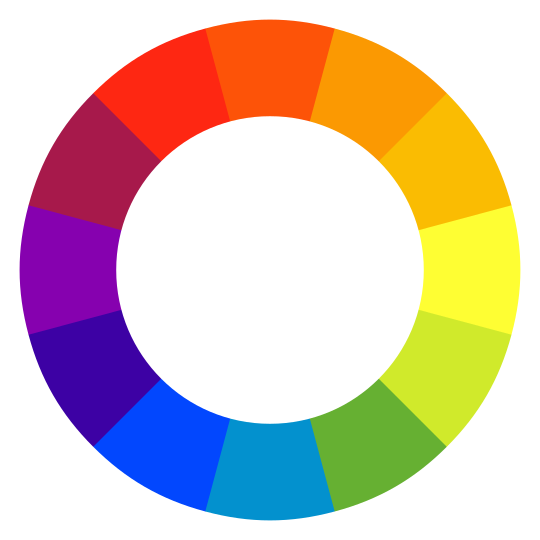
Color Wheel
Finally, consider the saturation and brightness of the colors in your artwork. A highly saturated piece will stand out more against neutral walls or decor, making it an effective focal point. On the other hand, softer, muted colors can blend seamlessly with your decor, creating a more subtle focal point that invites closer inspection.
By applying these principles of color theory, you can thoughtfully select fine art that not only serves as a focal point but also complements the overall design of your room, creating a harmonious and visually appealing environment.
To create a focal point with fine art, understanding color schemes is essential. The colors in your artwork can significantly influence the overall ambiance of a room and help draw the eye to your chosen focal piece. Here, we will explore three primary color schemes: complementary, analogous, and triadic.
Complementary Colors: This scheme involves using colors that are opposite each other on the color wheel. For example, blue and orange or red and green. When combined, complementary colors create a vibrant contrast that can make your artwork stand out dramatically. When selecting a piece for a room, consider incorporating accessories or furnishings that echo these complementary hues to enhance the focal point without overwhelming the space.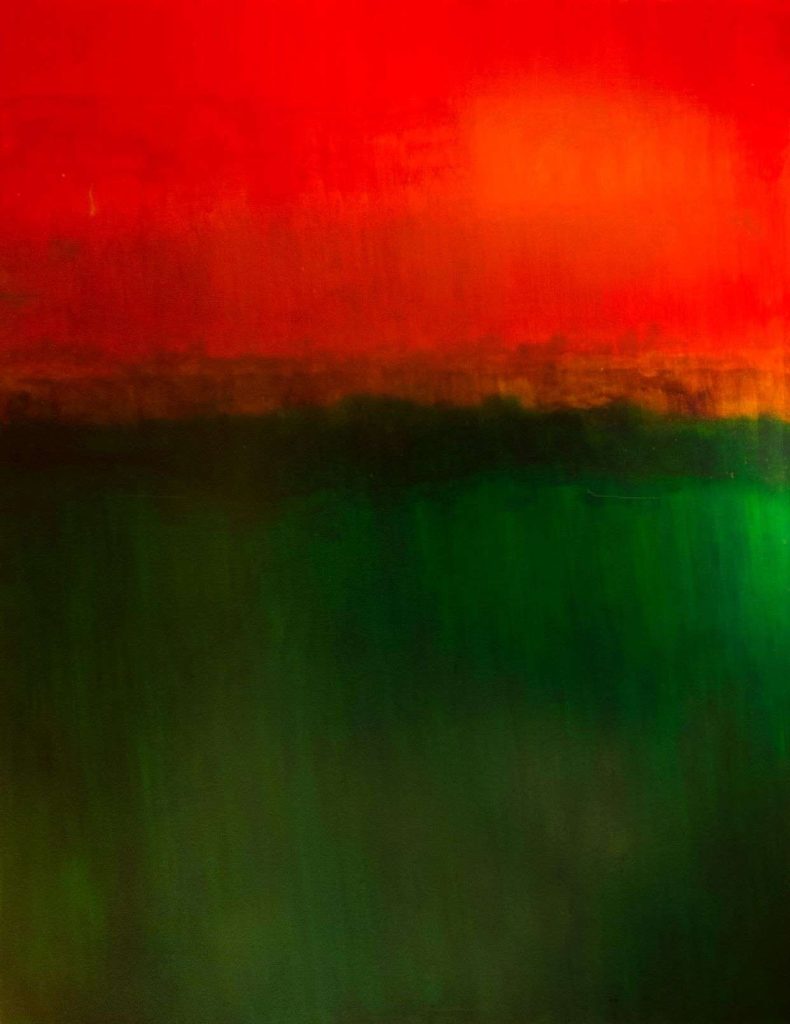
Light and Atmosphere/ Things Your Mind Cannot Understand/ Oil on Canvas/ Size: 84" X 66"
Analogous Colors: This color scheme consists of three colors that are next to each other on the color wheel, such as blue, blue-green, and green. Analogous colors create a serene and harmonious look, perfect for spaces meant for relaxation, such as living rooms or offices. When choosing art, select pieces that incorporate these neighboring colors to create a cohesive flow in the room, ensuring that the artwork harmonizes with the surrounding decor.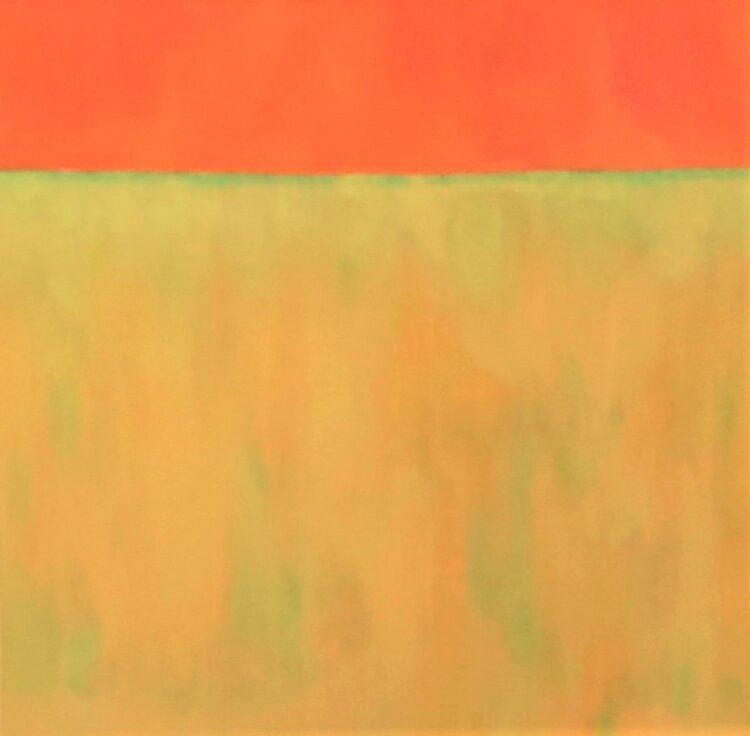
Light and Atmosphere/ Orange and Yellow/ Oil on Canvas/ Size: 36" X 36"
Triadic Colors: This scheme uses three colors that are evenly spaced around the color wheel, such as red, yellow, and blue. Triadic color schemes offer a bold and dynamic look, making them ideal for contemporary spaces. When using this approach, choose one color to dominate and the other two as accents. Select art that reflects this balance, allowing the focal piece to shine while maintaining a lively and engaging atmosphere throughout the room.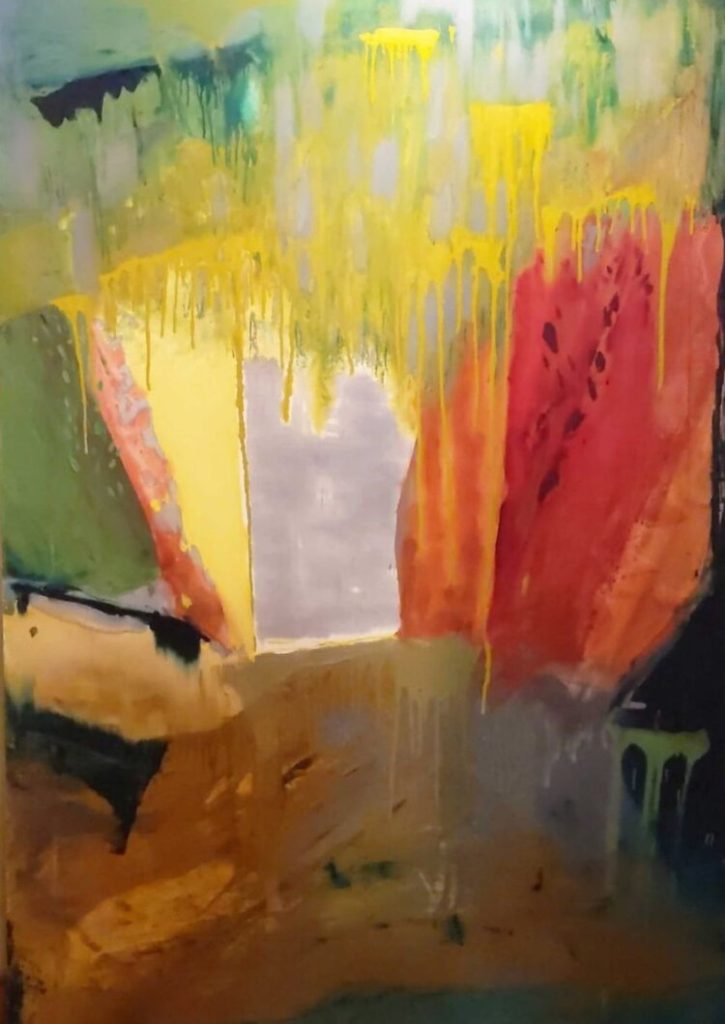
Light and Atmosphere/ The Way Through/ Oil on Canvas/ Size: 73" X 52"
By identifying and utilizing these color schemes, art buyers and collectors can effectively create a focal point that enhances the overall aesthetic of their home or office. Consider how the colors in your artwork interact with the room’s existing palette to achieve the desired visual impact.
To create a captivating focal point in your room, analyzing your existing decor is essential, particularly in finding your color palette. Start by taking a good look at the dominant colors in your space. This includes the walls, furniture, textiles, and any decorative items already present. Identify the primary hues that stand out and consider how they interact with each other.
Once you’ve established the existing color scheme, think about the mood you want to create in the room. 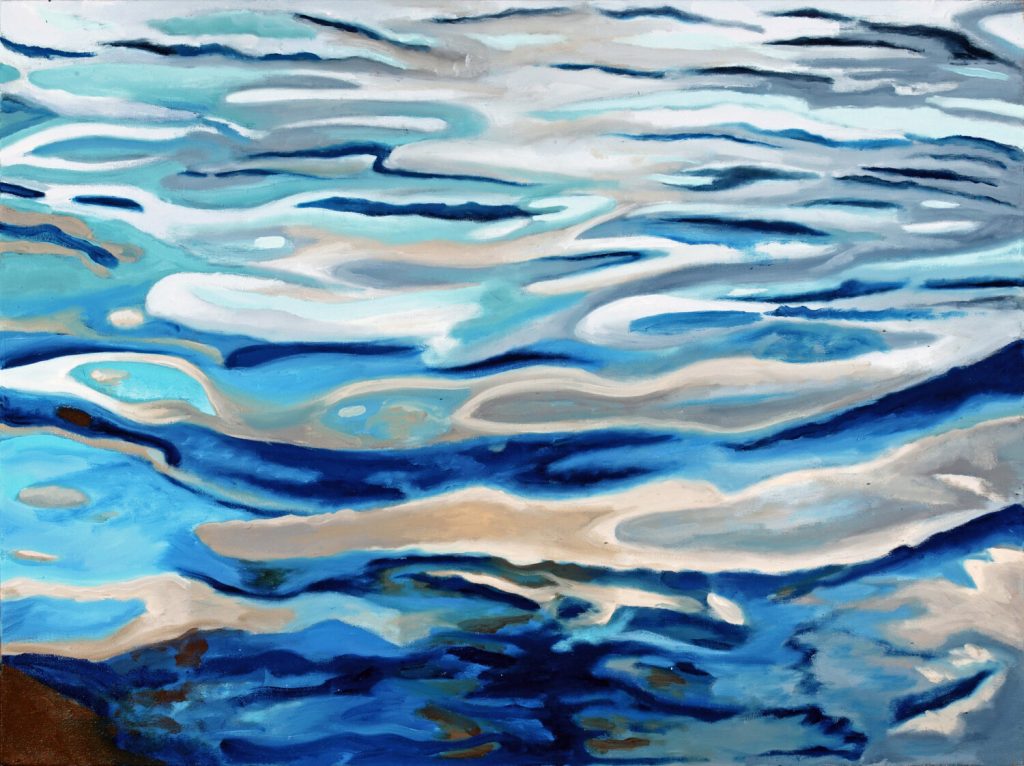
Faith Like Flowing Water/ Reflections of a Cool, Gray Summer’s Day/ Oil on Canvas/ Size: 27" X 36"
Do you prefer a calm and serene atmosphere, or are you leaning towards something vibrant and energizing? Your color palette will play a crucial role in conveying this mood. For instance, soft blues and greens can evoke tranquility, while bold reds and yellows can bring a sense of excitement.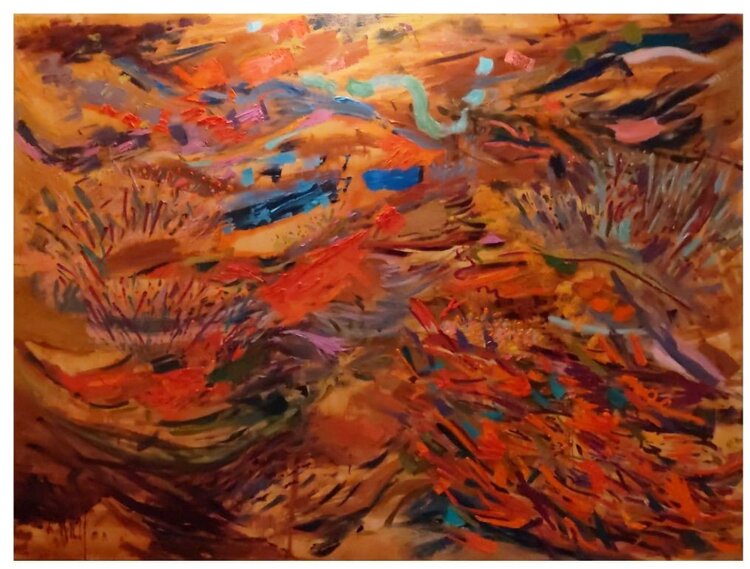
Envisioned Landscapes/ Summer Madness/ Oil on Canvas/ Size: 66" X 84"
Next, consider how your chosen artwork will complement or contrast with your existing colors. If your decor consists of neutral tones, a piece of art with vibrant colors can serve as a striking focal point. Conversely, if your space is already filled with strong colors, you might opt for artwork that features softer shades or monochromatic tones to create balance.
To ensure your selected art piece harmonizes with your decor, create a color swatch from your existing items. You can use paint samples, fabric swatches, or even photographs to capture the colors present in your space. This visual reference will help you choose artwork that either complements your palette or provides a stunning contrast, making it stand out as the focal point.
Lastly, remember that your focal point should resonate with your personal style. Choose art that speaks to you and reflects your taste, as this will enhance the overall aesthetic of the room while still ensuring it fits within your established color scheme. By thoughtfully analyzing your existing decor and color palette, you can select art that not only commands attention but also enriches your space.
When selecting artwork to create a focal point in your room, consider the following tips and techniques that will help enhance your space:
Scale and Size: Choose artwork that is proportionate to the size of your wall and the surrounding furniture. A large piece can serve as a dramatic focal point, while smaller works can be grouped to create a cohesive display. As a general rule, aim for artwork that occupies at least two-thirds of the wall space to achieve a balanced look.
Color Palette: Select pieces that complement the existing color scheme of your room. Consider using artwork with colors that echo the hues of your furnishings or decor to create harmony. Alternatively, choose a bold, contrasting piece to create a striking focal point that draws the eye.
Theme and Style: Ensure that the artwork aligns with the overall theme and style of your space. Whether your decor is modern, traditional, eclectic, or minimalist, the artwork should enhance and reflect the character of the room. This can be achieved by selecting pieces that incorporate similar elements or motifs.
Placement: Position your artwork at eye level for maximum impact. The center of the artwork should be approximately 57 to 60 inches from the floor. If you're hanging multiple pieces, maintain a consistent distance between them to create a unified look.
Lighting: Consider the lighting in the room when selecting artwork. Natural light can highlight certain pieces, while strategically placed artificial lighting, such as spotlights or track lighting, can enhance the visual appeal of your artwork. Experiment with different lighting options to see how they change the perception of your chosen pieces.
Personal Connection: Choose artwork that resonates with you personally. Whether it's a piece that evokes a memory, speaks to your interests, or simply brings you joy, personal connection can enhance the impact of the artwork and make it a true focal point in your space.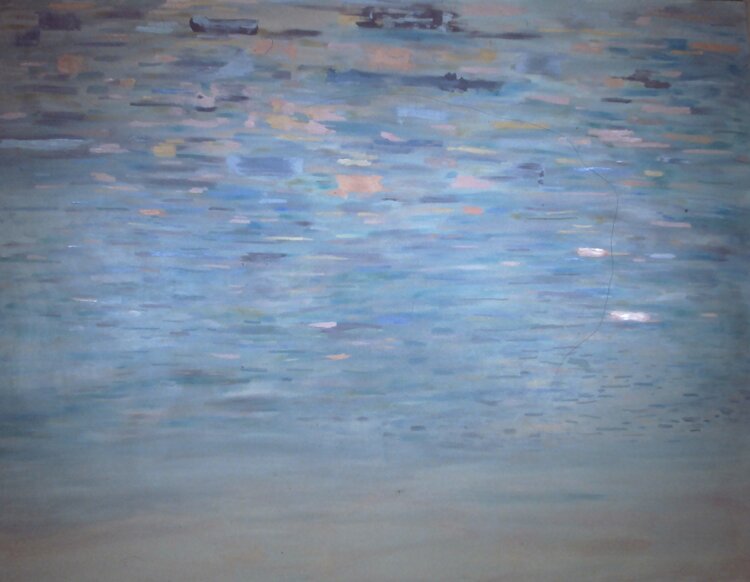
Envisioned Landscapes/ The World of Nin/ Oil on Canvas/ Size: 66" X 84"
Layering and Textures: Don’t be afraid to layer artwork with other decorative elements like mirrors, shelves, or plants. This adds depth and interest to your focal point. Mixing textures, such as combining a canvas painting with a framed photograph, can create a dynamic visual experience.
By following these tips and techniques, you can select artwork that not only enhances your space but also creates a stunning focal point that captures attention and reflects your personal style.
Envisioned Landscapes/ Shoho Jisso/ Oil on Canvas/ Size: 66" X 84"
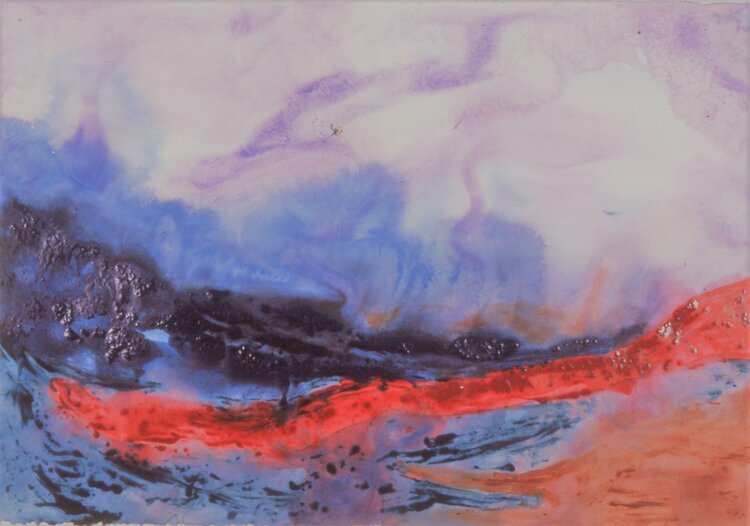
Envisioned Landscapes/ Red River/ Acrylic on Paper/ Size: 25" x 49"
Bringing It All Together
Creating a Focal Point in Your Space
As we wrap up this lesson, let's reflect on the essential goal of creating a focal point in your home or office. The right piece of fine art can draw the eye and anchor the space, setting the tone for the entire room. Whether it's a striking painting or an inspiring sculpture, thoughtfully chosen art can transform an ordinary space into a captivating environment.
Remember, achieving this focal point is not just about aesthetics; it's about how the art interacts with the other elements in your room, influencing mood and atmosphere. If you find yourself needing a refresher on any of the strategies we've discussed, don't hesitate to review this lesson. Additionally, be sure to explore the other lessons in this course, as they offer valuable insights and inspiration for enhancing your art collection and overall decor.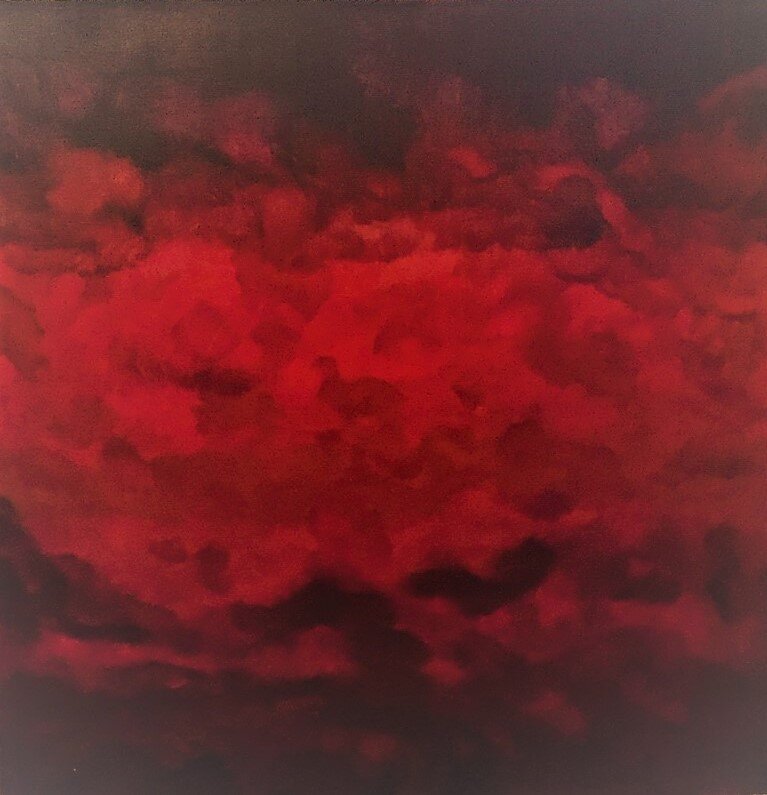
Light and Atmosphere/ Ashura/ Oil on Canvas/ Size: 40” x 40”
Thank you for participating, and may your journey in decorating with fine art be both enjoyable and fulfilling!